About
The geography program at Bellevue College provides a robust education in the field.

The geography program at Bellevue College provides a robust education in the field.
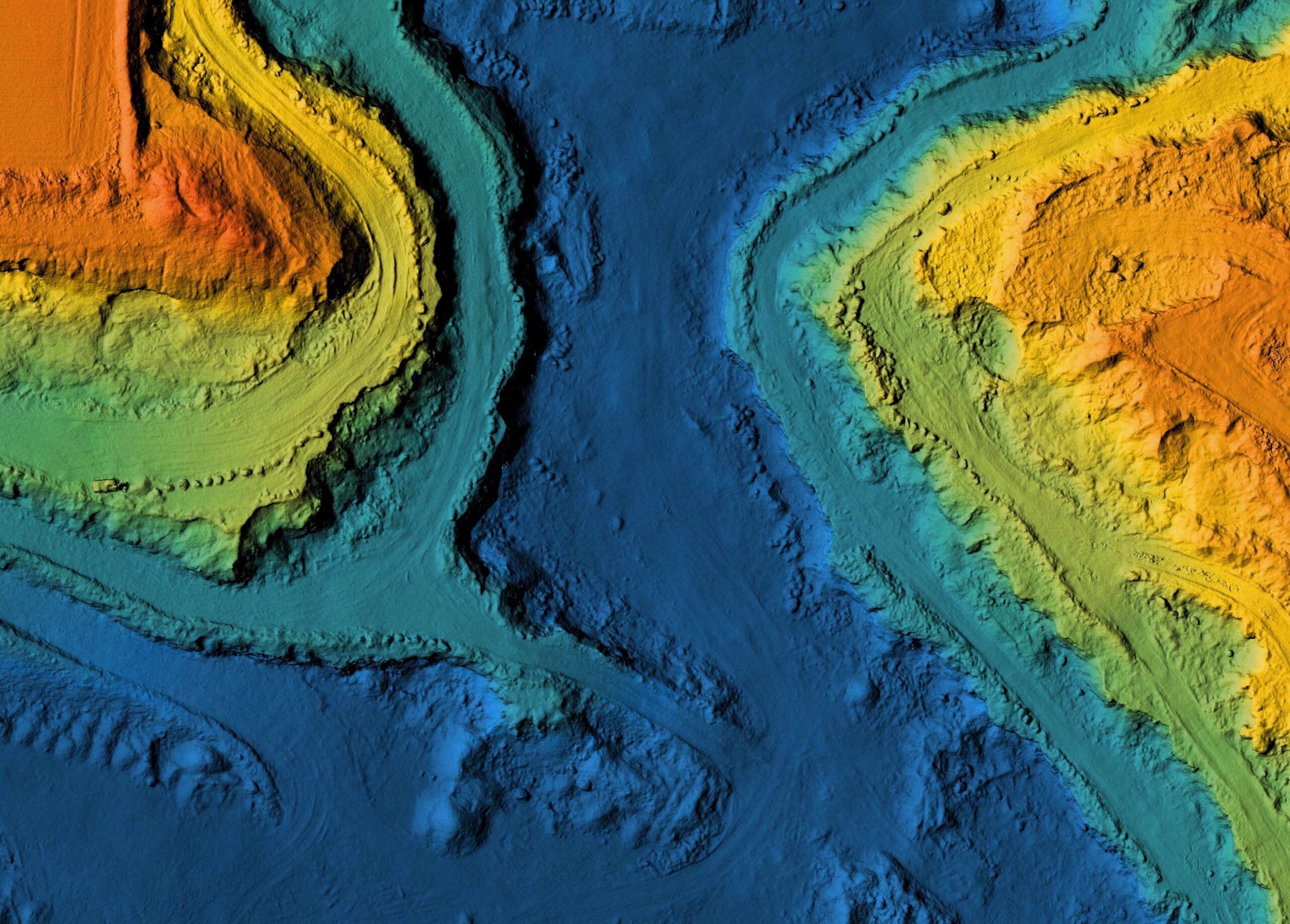
Geography may claim to have a number of objectives, including an understanding of the unique characteristics of a landscape: the interrelationships that exist between peoples as well as between mankind and its immediate environment; and to attempt an explanation of the patterns of location and subsequent spatial interaction.
To unravel the myriad of activities that are generated from mankind’s existence on planet Earth is no easy task. In order to pursue this objective, geographers have traditionally sought to create a number of different academic vantage points. Geographic modes of inquiry focus on an appreciation of the natural environment by looking into the intricacies of climate and weather; and physical geography takes a close look at the physical components of landscape processes and landscape formation. Such inquiry not only demands a description of physical features, but, also an explanation of the dynamic nature of the environment. The beauty and majesty of the natural environment may well allow geography the privilege of descriptive sonnets of the power and of the dignity of place and yet the subject matter has a firm foothold in objective reasoning.
Over the last 30 years, geography has developed a sound quantitative approach to analysis that enables the discipline to view the landscape from an objective platform. Statistical methodology is today an integral part of the subject as the complexities in the study of humankind and the landscape need both subjective and objective modes of inquiry. This is generally referred to as Geographic Information Systems and this often represents the largest component share of contemporary university departments. A geographic information system (GIS) allows us to visualize, question, analyze, interpret, and understand data to reveal relationships, patterns, and trends. Geography is the science of our world and coupled with GIS, geography is now better served to help us to better understand the earth and apply geographic knowledge to a host of human activities. The outcome is the emergence of what the Environmental Systems Research Institute (ESRI) refers to as ‘The Geographic Approach’ which is a way of thinking and problem solving that integrates geographic information into how we understand and manage our planet. This approach allows us to create geographic knowledge by measuring the earth, organizing this data, and analyzing and modeling various processes and their relationships. ‘The Geographic Approach’ also allows us to apply this knowledge to the way we design, plan, and change our world.
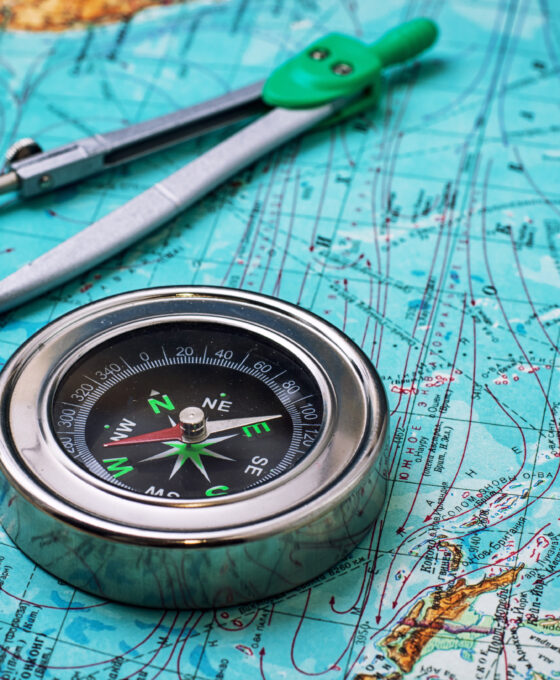
Geography, as a spatial science, is constantly trying to analyze patterns of location and distribution and the many elements that are intertwined to produce a dynamic observed landscape. It is, therefore, hardly surprising that the map should be such a vital tool within the study of geography. In all classes, map work plays an important role and helps the student to more fully comprehend the spatial organization of both human and physical landscapes.
Geography is a multidisciplinary field that teaches students not only the “where”, but also the “why” and “how” our world interconnects. It is the study of diverse environments, places, peoples and things and explores the many relationships that exist between our physical and human worlds.
The Geography Program at BC offers a wide variety of classes, such as Introduction to Globalization, the Geography of Weather and Climate Change and Introduction to Mapping and Geographic Information System. Throughout these courses, you will learn about topics such as population, plate tectonics, migrations patterns, spatial data, ecosystems and many, many more relevant topics. Studying geography will help you become a more globally aware citizen and provide you with skills that align with careers in GIS, urban planning, surveying, data analysis, government and NGO work, and many more.
According the US Bureau of Labor Statistics, Geographers earned an average salary of $97,200 per year in 2024. This work includes gathering data, through field observations, maps, photographs, collecting and analyzing data with GIS, writing and presenting research findings and linking geographic data with economic, health, and other data. Governments and businesses will also hire geographers to assist with researching natural disasters and mitigation strategies. A few examples of careers with a degree in geography include but are not limited to:
The Geography Program at BC offers a wide range of course modalities to meet the needs of all incoming students. Students can take fully online, in-person hybrid, and online courses with in-person exams, with online and on-campus offerings for many of the courses offered. Geography faculty members are committed to student success with student success achievement benchmarking (students finishing with a C or better) higher than the college averages for each year from 2020 to 2025.
According to the GIS industry standard, ESRI, GIS professionals are projected to grow 9% from 2018 to 2028. According to Johns Hopkins Krieger School of Arts of Sciences, GIS is used in many different industries and organizations, from federal, state, and local organizations to nonprofits. GIS is being used to solve all sorts of spatial problems. According to Indeed.com, the average GIS earner in Washington State makes approximately $84,000 to $85,000, although roles in Seattle/Bellevue are higher to account for the higher cost of living. This number relates mainly to GIS Analysts while Geospatial Data Scientists earn an average of $137,000 per year, according to the University of Southern California Spatial Science Institute.
I wholly recommend taking any of the classes offered by the Geography department as there is a 100% chance that you will walk away at the end of every class having learned something new and interesting!
Jackson J.
Class of 2026
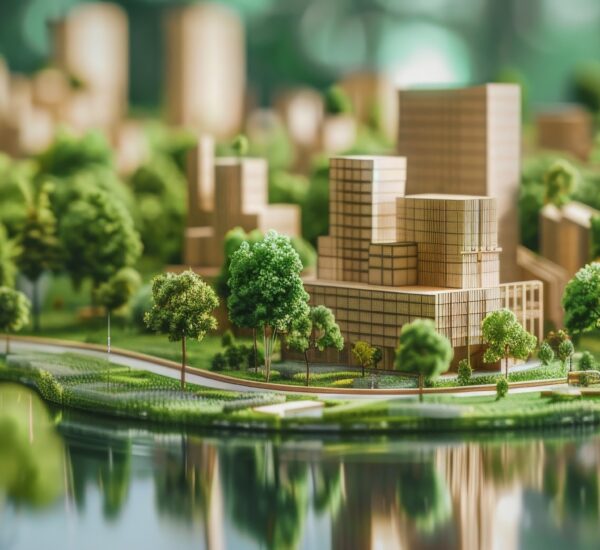
Will provide you with an understanding of the human world and the natural environment and interactions between them.
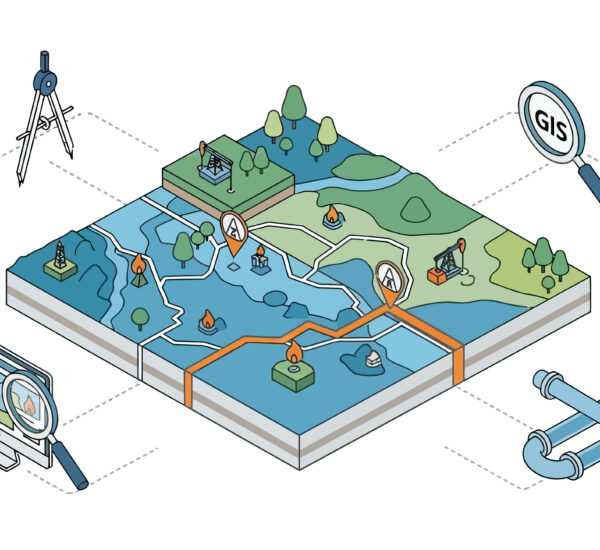
Will equip you with the practical and map skills that are valued by many employers and provide a firm foundation for GIS.

Will develop your essential transferable skills, such as team working, communication, presentation, problem solving, and analytical skills.

Will prepare you for a transfer to a four year institution and a rewarding career in a wide range of areas.

Will prepare a foundation for you to ultimately consider postgraduate study in Geography.

Share a common navigation system; are packed full of wonderful and exciting images to enhance the text; and run to a common theme in terms of their overall structure.