
Our planetarium will be closed during the Summer, but as clear nights (hopefully) are ahead, here are some astronomical events you will be able to enjoy during these months:
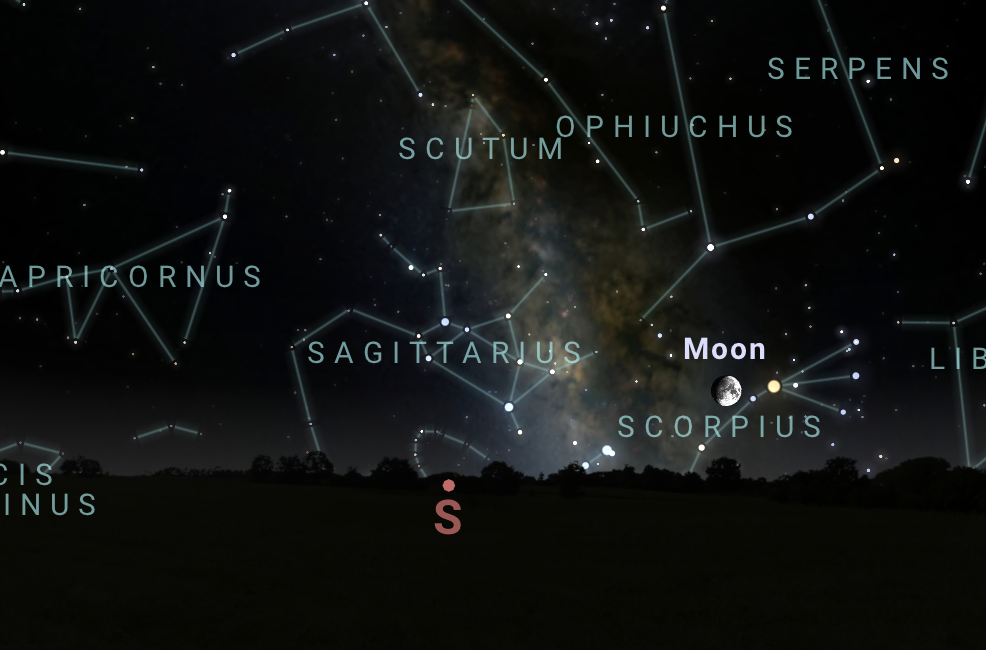
July: during the whole month, between midnight and before sunrise, you will be able to see the Galactic Center towards the constellation of Sagittarius and towards the South. You might need to go somewhere away from light pollution to see it with the naked eye!
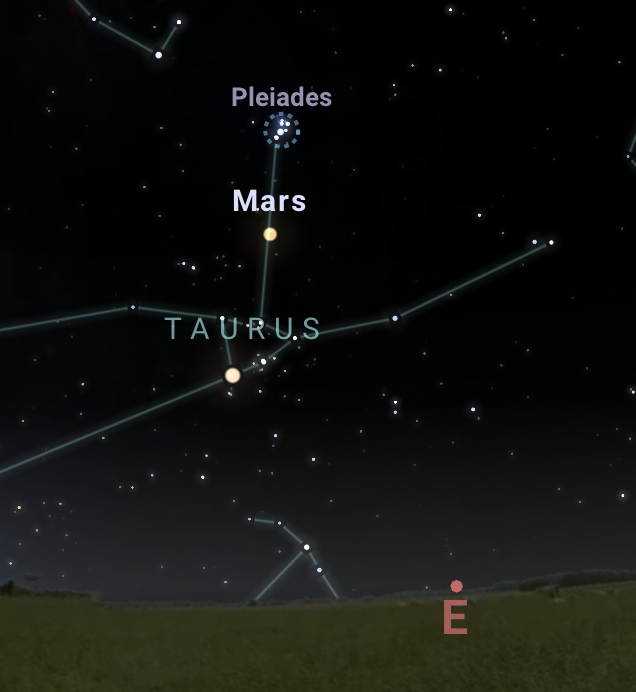
July 1st to 11th: if you are a very early bird person, at around 4-5 am, you will be able to see, towards the east, the Pleiades open cluster, Mars and Aldebaran, a red giant star in the Taurus constellation. Mars will be several nights “crossing” the sky between the Pleiades and Aldebaran, but they will look right “in line” around July 4th-5th.
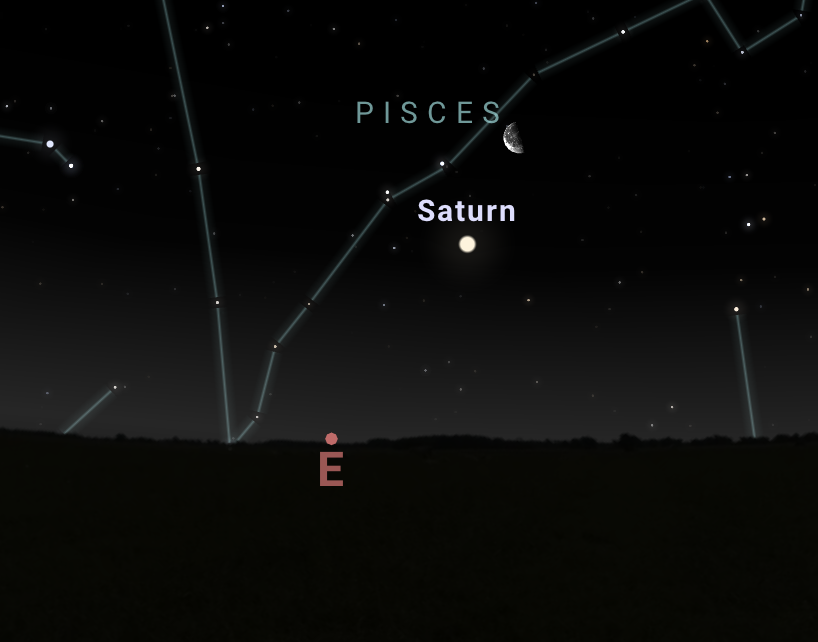
July 6th-7th and 7th-8th: at around 1 am on the 7th and the 8th, the Moon and Saturn will appear in the sky through east very close together, a cool conjunction to observe with the naked eye.
August 12th: A total solar eclipse is coming up this day, although from some states it will be partial, if you are able to travel, the totality will cross Iceland, Greenland, Russia, Portugal and Spain. Here is a detailed map of the eclipse.
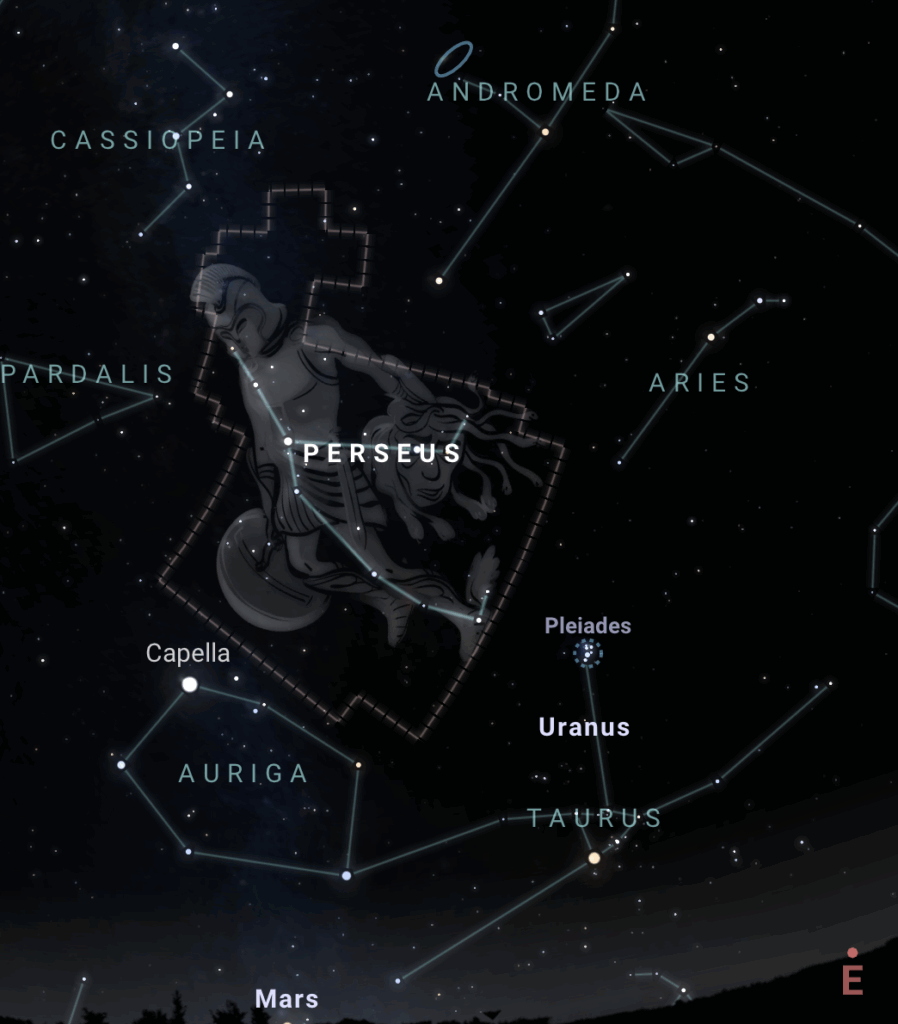
August 12th: the famous Perseid meteor shower will peak during this night. This shower stars around mid-July until the beginning of September, with the best chance to observe many meteors as possible by mid-August. You can go somewhere dark, and look at the whole sky. Meteors (mistakenly called “shooting stars”) will seem to originate from the Perseus constellation, next to Cassiopeia (the “W”!) The rocks that produce this meteor shower were left behind by the Swift-Tuttle comet, that takes more than 130 years to orbit around the Sun.
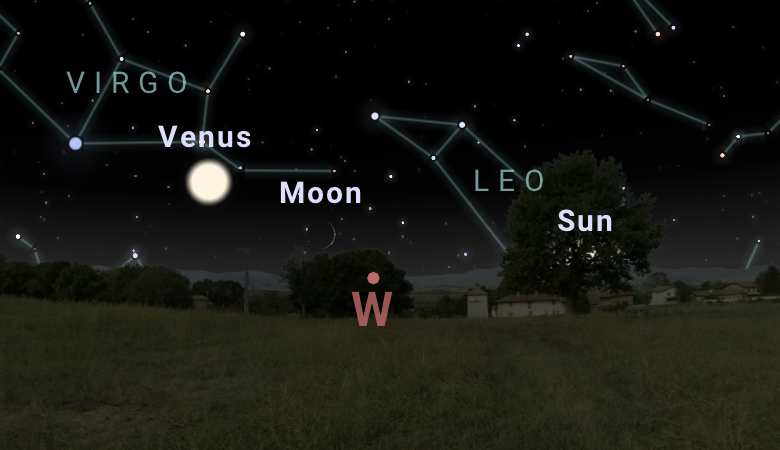
August 14th: Venus will reach its maximum separation from the Sun, also known as greatest elongation, this time an eastern one. This means the planet will be visible east from the Sun, towards the west horizon, for a while after sunset. It’s visible to the naked eye and even when the sky is not completely dark!
August 27th-28th: eclipses always come in pairs, so about 2 weeks after the total solar eclipse, there will be a partial (almost total) lunar eclipse visible from Bellevue. The Moon will turn quite dark, and it will be almost 96% behind the Earth’s shadow. Here you can see the times and locations it will be visible from.
You can explore the Stellarium Website to find out what else is visible from your location!
Last Updated June 10, 2026
