
The Bellevue College Student Research Award recognizes outstanding work in developing original course projects. Students submitted a research project done in the last year, an essay about their research process and what they learned, and a bibliography.
The following winners were selected for developing thoughtful, well-researched, original course projects and essays that showed deep engagement with ideas and sources.
2026 Winners

Faculty Mentor: Sarah Ghasedi
Project: Enhancing Sensory Accessibility Through Clear Communication
Abstract: This project proposes adding a 1–5 sensory rating framework to Woodland Park Zoo’s Accessibility Guide to help visitors better understand the intensity of sight, sound, smell, touch, and movement across zoo habitats and attractions. Although the zoo already provides accessibility resources, its current sensory information does not consistently show how intense different environments may feel. Our proposal uses research on sensory accessibility, pre-visit planning, numerical rating scales, and universal design to support a clearer, more practical communication system. By making sensory conditions easier to compare and anticipate, the project aims to reduce uncertainty, improve visitor comfort, and strengthen inclusive access for sensory-sensitive visitors, caregivers, educators, and the broader public.

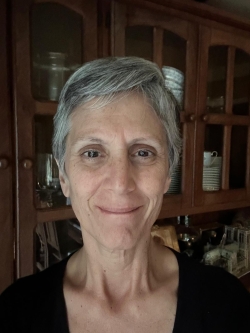
Faculty Mentor: Jackie Gapinski
Project: Investigating the effects of knocking down DNA repair pathway components on mutation rate, fertility, and lifespan in Caenorhabditis elegans
Abstract: DNA repair pathways maintain genome stability by correcting replication errors and diverse DNA lesions. This study investigates how deficiencies in mismatch repair (MMR), homologous recombination (HR), nucleotide excision repair (NER), and base excision repair (BER) affect mutation rate in Caenorhabditis elegans. The unc‑58(e665) gain‑of‑function mutant was used as a reporter strain because its severe uncoordinated phenotype can be restored by a second-site mutation at the same locus, enabling sensitive detection of spontaneous reversion events. RNAi knockdown of msh‑2, rad‑54L, csa‑1, and apn‑1 was performed, and F1 progeny were scored for movement phenotypes. Revertants were detected under msh‑2 (MMR) and apn‑1 (BER) knockdown, while no revertants were observed following rad‑54L (HR) or csa‑1 (NER) RNAi treatment. The pfn‑1 RNAi positive control produced 82% embryonic lethality, confirming RNAi efficacy. These results indicate that MMR and BER deficiencies increase mutation rate at the unc‑58(e665) locus, whereas HR and NER knockdowns did not produce detectable reversion events under these conditions. Variation in reversion frequency may reflect pathway‑specific roles in genome stability or differences in RNAi knockdown strength. Dual knockdown of apn‑1 and msh‑2 demonstrated that msh‑2 is the primary driver of the reversion phenotype. Fertility assays were conducted in both N2 and unc‑58(e665) strains because DNA repair pathways are essential during early embryogenesis, when rapid cell division occurs. Knockdown of apn‑1 or msh‑2 did not reduce reproductive fitness, indicating that partial loss of these pathways through RNAi does not impair fertility under the tested conditions.
Faculty Mentor: Jackie Gapinski
Project: Investigating the Effects of Oxidative Stress on Mechanosensory Behavior in nlg-1 Mutant Caenorhabditis elegans
Abstract: Neuroligins are synaptic cell-adhesion proteins that regulate neuronal communication and behavior. In the nematode C. elegans, the neuroligin homolog nlg-1 has been implicated in sensory processing, including mechano-sensation responses. This project aims to investigate how oxidative stress influences mechanosensory behavior in nlg-1 mutants and to identify genetic modifiers of this interaction. To support these studies, nlg-1 mutant strains were backcrossed with wild-type (N2) male animals to reduce background mutations and isolate the effects of the nlg-1 allele. Progeny were genotyped using single-worm PCR to confirm the presence of the deletion allele and establish genetically defined populations. These results demonstrate that single-worm PCR provides an effective method for genotyping C. elegans and establish genetically defined populations. This foundational step enables future experiments to assess the effects of oxidative stress on nlg-1-dependent mechanosensory behavior and to identify genetic modifiers of neuroligin function.

Faculty Mentor: Stacy Alvares
Project: Bioinformatics Analysis of Pseudomonas fluorescens L5.1-96 Library Clone Shows Importance of Transcription Factors in Stress Resistance and Bacterial Colonization
Abstract: Take-All disease is a severe cereal root disease caused by the fungal pathogen Gaeumannomyces tritici that leads to a reduction in crop yield in Eastern Washington that can be combatted through Take-All decline. Pseudomonas fluorescens strain L5.1-96 has high rhizosphere colonization competence and drought resistance and is a 2,4 DAPG-producing biocontrol agent that causes Take-All decline. In this study, a portion of the P. fluorescens L5.1-96 genome is purified as an insert in a plasmid from a genomic library, sequenced, and analyzed for genes that contribute to rhizosphere colonization competence and drought resistance. Open-reading frames (ORFs) were found, and each ORF was aligned with the non-redundant protein sequences database with Protein BLAST. Proteins identified are GntR and TetR/AcrR transcriptional factors and SDR family oxidoreductases, as well as related genes. Together, they provide resistance to stressors such as desiccation and osmosis, as well as increased motility and biofilm production that may boost colonization, providing insight into why P. fluorescens L5.1-96 has strong resistance to drought and high rhizosphere colonization competency, and how that could potentially be leveraged in farms in the future to prevent Take-All disease.
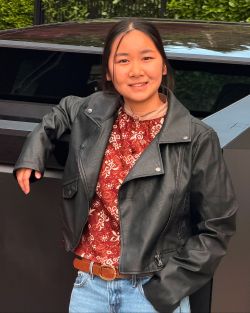
Faculty Mentor: Sarah Ghasedi
Project: Woodland Park Zoo – AR Video Mural Proposal
Abstract: To address the issue of “improving the Woodland Park Zoo’s” technical communication, our group decided to create an AR video mural to showcase the dangers/consequences of deforestation. This was chosen to address the problem of a lack of teenagers visiting the zoo and to also promote conservation. The overall outcome was to send a written proposal to our zoo representative so she can share it with her colleagues.
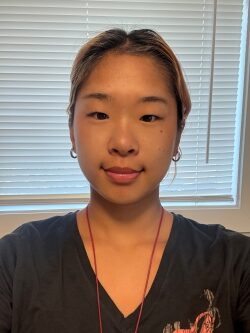
Faculty Mentor: Kathy Hunt
Project: Back-channeling Variations Across Bilingual Speakers
Abstract: The project explores back-channeling use and variations across bilingual speakers. Six interviews were conducted as the main method of research.
Faculty Mentor: Sarah Ghasedi
Title: Before I Even Speak: Stories Underneath the Scarf
Project: This project explores how Black hijabi women navigate identity, visibility, and belonging at the intersection of race, religion, and gender. From scholarly research, credible reports, and personal reflection, the project examines how concepts like intersectionality shape everyday experiences in social spaces. The final product, an illustrated journal titled Before I Even Speak: Stories Underneath the Scarf, combines narrative and visual storytelling to translate academic ideas into lived, relatable moments. By focusing on personal experiences alongside research, the project highlights both the challenges and resilience within this community. Ultimately, it aims to increase understanding, challenge stereotypes, and encourage more empathetic perspectives toward visibly Muslim women.
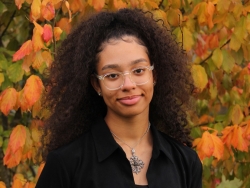
Faculty Mentor: Helton Leal
Project: Applications of Calculus in Sociology
Abstract: This paper explores how calculus is applied in the field of sociology, specifically within mathematical sociology for an audience of college students not in STEM majors. It looks at three examples of sociology applications of calculus: the SIR model, to follow the spread of social phenomena, population dynamics to model exponential and logistic growth, and shifts in public opinion through physics concepts. To show how public opinions can be shifted, a study was done on students in a Calculus I class where data was collected using online surveys. The results showed an increase in both familiarity with sociology and in opinion of how much calculus impacts sociology.